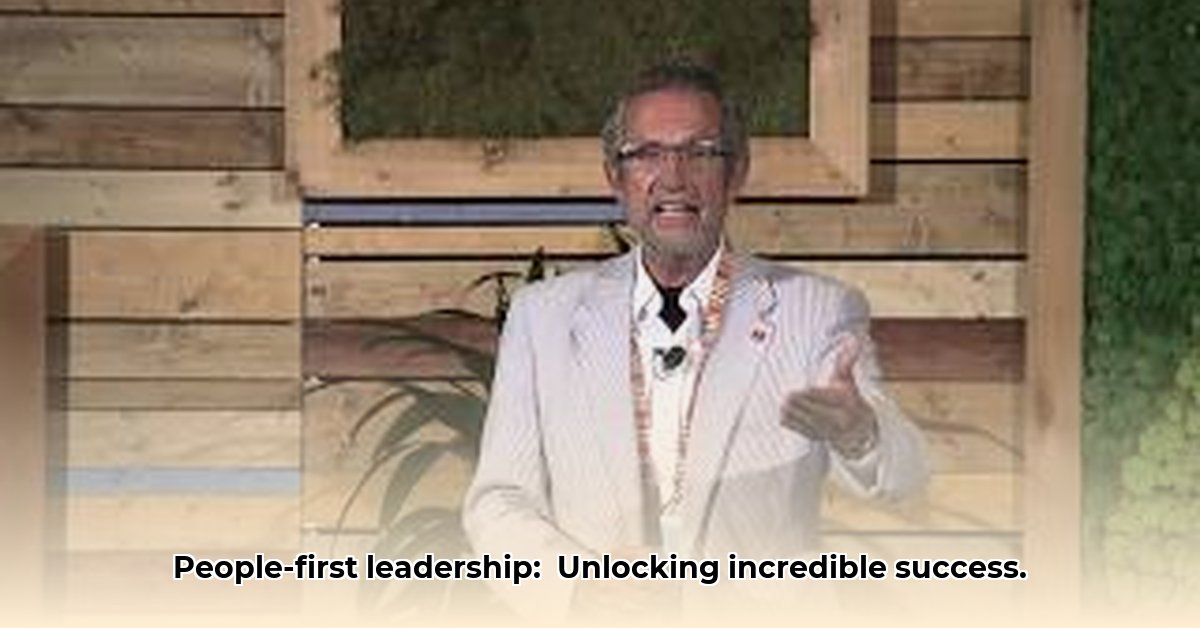
Bob Chapman and Barry-Wehmiller: A Case Study in Total Human Leadership
Bob Chapman’s leadership at Barry-Wehmiller isn't defined by a specific net worth figure, but by a revolutionary management philosophy: Total Human Leadership (THL). This approach, prioritizing employee well-being and respect, has driven remarkable sustained growth for the manufacturing conglomerate. This case study analyzes THL's impact, offering insights for businesses seeking sustainable success. While the precise financial details of Chapman’s net worth remain undisclosed, Barry-Wehmiller's enduring success paints a compelling picture of the power of a truly human-centered approach.
Total Human Leadership (THL): Redefining Business Success
THL isn't simply about creating a "happy workplace"—it's a fundamental shift in how businesses value their employees. Instead of viewing workers as mere cogs, THL recognizes their inherent dignity and worth. This profound change in perspective fosters loyalty, innovation, and improved productivity. But how does this translate into tangible results? Let's explore the core components of THL and their impact on Barry-Wehmiller's performance. Isn't it fascinating how a values-driven approach can yield such impressive outcomes? Barry-Wehmiller’s annual growth of 16% over 25 years is often cited as testament to the efficacy of THL.
THL's Practical Applications: A Multifaceted Approach
THL’s implementation isn't one-size-fits-all. It's a flexible framework tailored to individual companies within the Barry-Wehmiller family – a portfolio of over 70 businesses. The Barry-Wehmiller University and BW Leadership Institute play crucial roles, providing ongoing training and support to ensure consistent alignment with THL’s core principles. This adaptable structure allows THL’s core values—respect, dignity, and sustainable growth—to flourish in diverse environments. How does this consistent leadership development translate into tangible business outcomes? The sustained success of Barry-Wehmiller under Chapman’s guidance points to a significant positive impact.
Measuring Success Beyond the Bottom Line
How does one measure the success of a people-first philosophy? While traditional financial metrics are important, THL emphasizes a more holistic approach. Barry-Wehmiller assesses success through employee satisfaction, retention rates, and the overall strength of its company culture. These “intangible” assets are directly linked to tangible results: increased productivity, innovation, and consistent growth. Isn't this a compelling argument for considering employee well-being not as a cost, but as a strategic investment? The long-term results of the approach demonstrate the importance of a strong company culture.
Implementing THL: A Step-by-Step Guide
Implementing THL is a journey, not a quick fix. Here's a framework for guiding your organization through the process:
Honest Self-Assessment: Begin with a thorough evaluation of your existing workplace culture. Use employee surveys, focus groups, and feedback mechanisms to identify areas for improvement. This initial assessment is crucial for a successful implementation.
Invest in Leadership Development: Train managers and supervisors on empathetic leadership, active listening, and fostering open communication. Effective leadership is the cornerstone of a successful THL implementation.
Foster Open Communication: Establish clear communication channels and encourage regular feedback. Transparency and open dialogue create a culture of trust and mutual respect.
Meaningful Recognition Programs: Implement robust employee recognition programs to acknowledge and celebrate achievements. Public acknowledgment reinforces positive behavior and builds morale.
Prioritize Work-Life Balance: Offer flexible work arrangements, generous leave policies, and resources to support employee well-being. Demonstrating concern for employees' lives outside of work fosters loyalty and dedication.
Addressing Potential Challenges
While the benefits of THL are significant, implementing it presents certain challenges:
- Resistance to Change: Address this through gradual implementation, transparent communication, and showcasing early successes.
- Short-Term Financial Impacts: Focus on long-term ROI, emphasizing reduced turnover and increased productivity as cost savings.
- Inadequate Training: Invest in comprehensive and ongoing training programs for all levels of the organization.
- Difficulty Measuring Impact: Use a combination of metrics including employee engagement, retention, and productivity measures.
The sustained success of Barry-Wehmiller, while not directly quantifiable in terms of Chapman's net worth, stands as a powerful testament to the efficacy of THL. The model offers a compelling case study for businesses seeking not just profitability, but also a thriving, engaged, and loyal workforce. This approach demonstrates that a truly human-centered approach to business is not only ethical, but also profoundly successful.